ibigw@ueiibi.com
0086 10 63701497
English
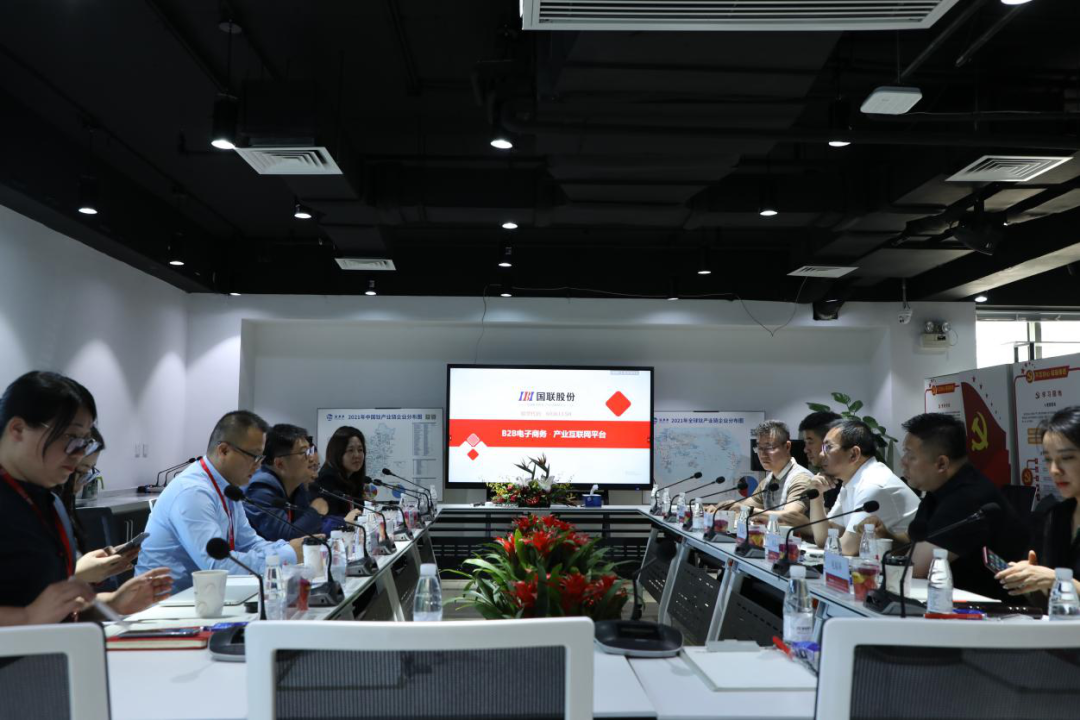
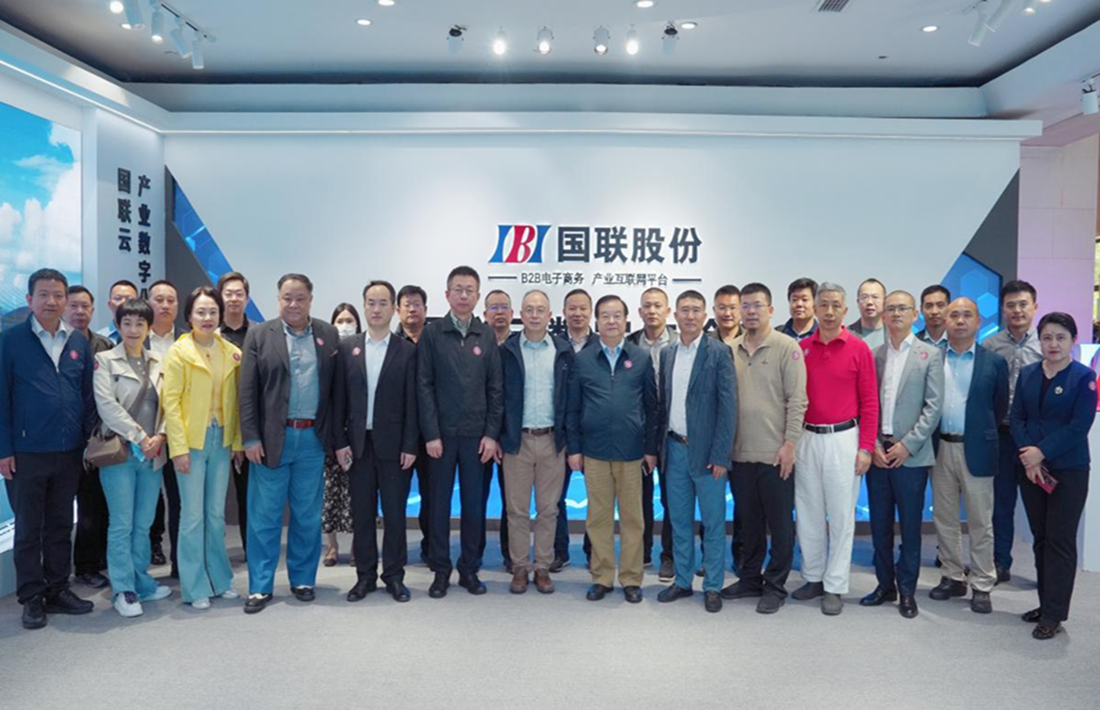
On June 3, Li Degao, Chairman of China Huamao Group, led a delegation to visit IBI (Beijing United Information Technology Co., Ltd.). They were warmly received by IBI President Qian Xiaojun and senior executives. The two parties held an in-depth discussion on potential cooperation between China Huamao and the Duoduo platform in several key sectors, including energy and chemicals, renewable materials, grain and oil, and fertilizers.
Founded in 1989, China Huamao Group has a registered capital of RMB 1.65 billion, total assets exceeding RMB 20 billion, and annual sales revenue of over RMB 18 billion. The group operates 18 secondary enterprises across China and maintains six major business segments:
Automotive trade and equipment
International and domestic trade
Modern agriculture
Cultural media
Industrial finance
Energy and chemicals
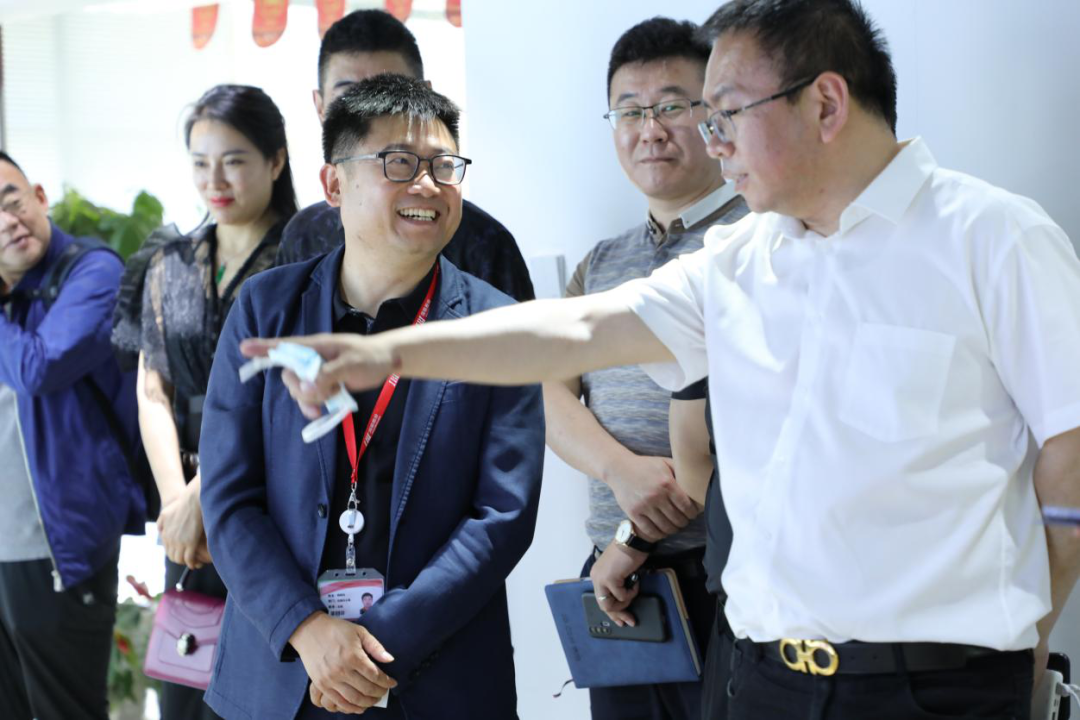
During the meeting, President Qian Xiaojun extended a warm welcome to Chairman Li Degao and his delegation on behalf of IBI. Both sides introduced their organizational structures, development histories, resource advantages, and business priorities, while exploring potential synergies and complementary advantages between the Duoduo platform and Huamao’s industrial network.
The discussion focused particularly on IBI’s cloud factory model, the integration and optimization of enterprise supply chains, and the construction of digital industrial ecosystems. Both sides conducted pragmatic exchanges and reached multiple cooperation consensuses, laying a strong foundation for subsequent joint projects.
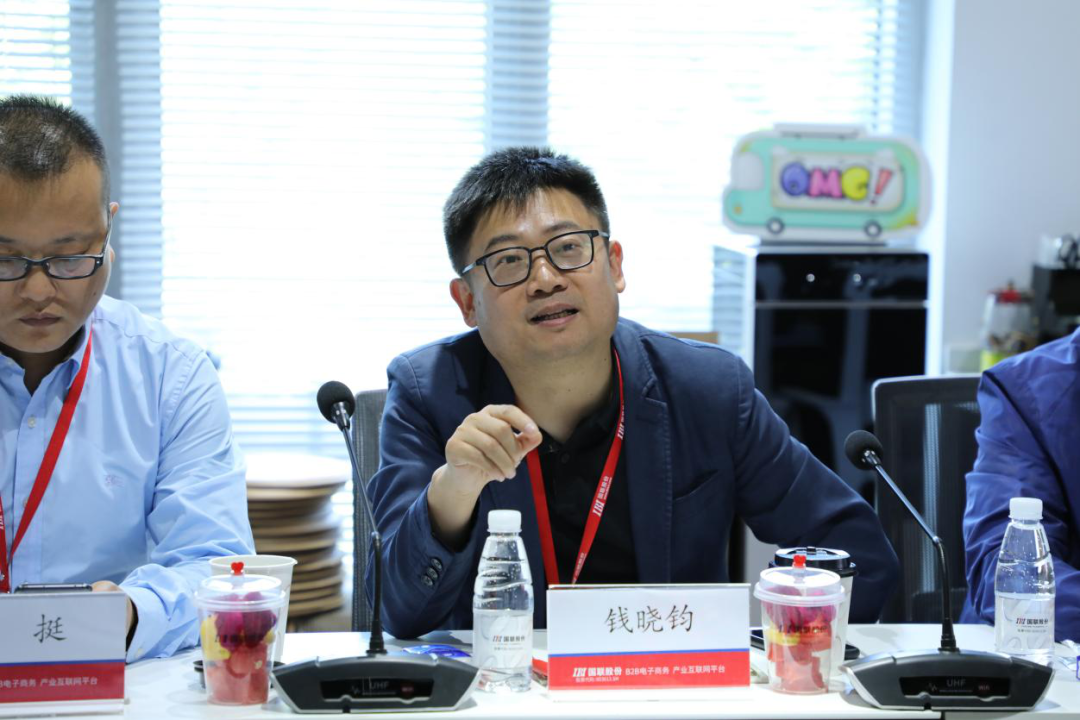
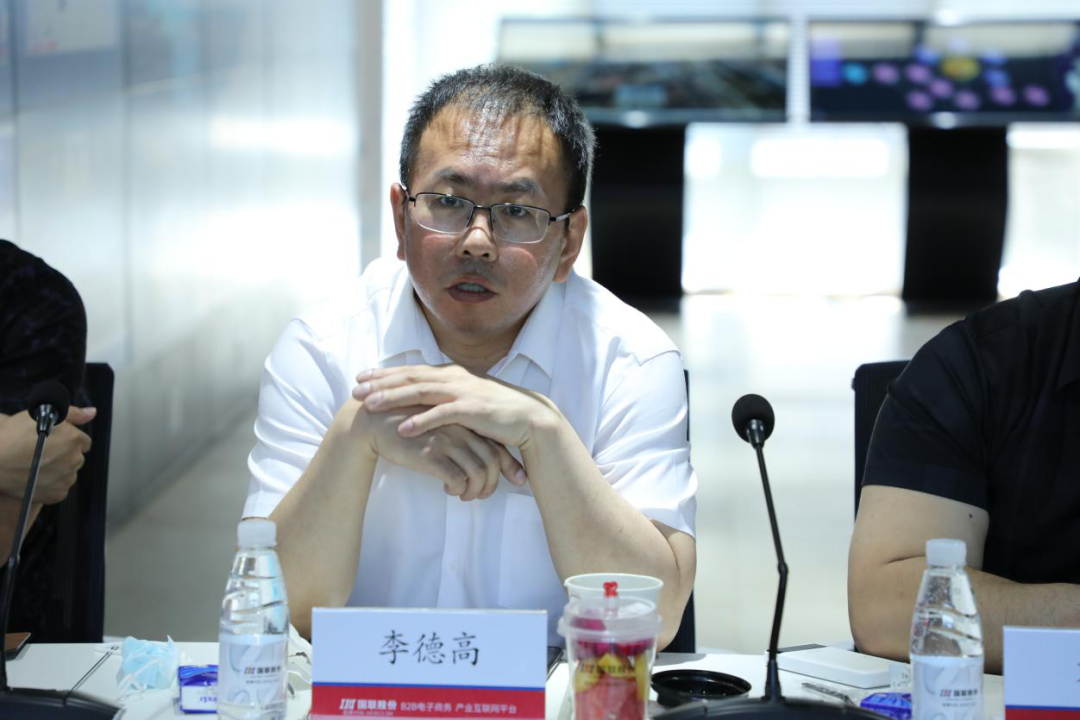
From China Huamao:
Liu Yujiang, Chairman of Huamao Agriculture Development
Gao Yanqing, President of Huamao Agriculture Development
Zhao Jiaxin, Vice President of Huamao Agriculture Development
Lu Liang, Operations Director of Huamao Agriculture Development
From IBI:
Wang Ting, Senior Vice President
Liu Rui, Assistant President
Yin Haifeng, CEO of Bodoodoo
Ji Jingjing, CEO of Lydoodoo
An Shen, Vice President of Toodoodoo
Zhuo Hong, Senior Executive
This meeting marks another step in IBI’s expansion of strategic partnerships across key industrial sectors, fostering collaboration that aligns with China’s “dual circulation” development framework and the ongoing digital transformation of traditional industries.
 Cross-border